Office Address
14, Residency Road, Udaipur, Rajasthan 313001
Office Address
14, Residency Road, Udaipur, Rajasthan 313001

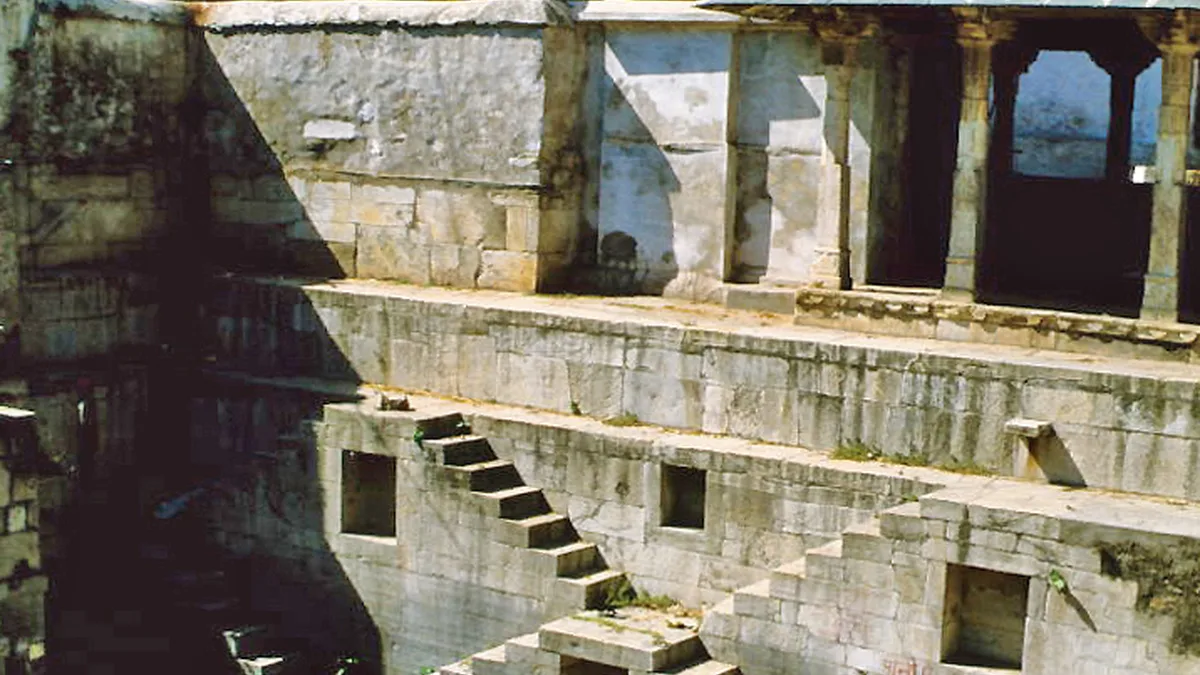
NEW YORK / WASHINGTON / UDAIPUR: As families across the globe gather to celebrate the sacred bond between brothers and sisters, the observance of bhai dooj 2026 in usa has drawn immense attention from the Hindu diaspora. Falling right on the heels of Diwali celebrations, this auspicious festival marks the culmination of the five-day festival of lights. For devotees living overseas, tracking the precise Vedic calculations across American time zones is essential to perform the traditional tilak ceremony during the most auspicious shubh muhurat windows.
⚡ Quick Highlights: Bhai Dooj 2026 in USA: Date, Muhurats and Significance
The celebration of Bhai Dooj—also known as Bhau Beej, Bhai Tika, or Yama Dwitiya—falls on the second lunar day (Dwitiya tithi) of the bright fortnight (Shukla Paksha) in the Hindu month of Kartik. For the year 2026, the transition of the tithi spans across November 10 and 11, creating specific operational windows for families living abroad. Understanding these precise astrological movements ensures that sisters apply the protective tilak to their brothers’ foreheads during the most spiritually potent hours.
In diaspora hubs ranging from New York and New Jersey to California and Texas, community leaders and temple priests have issued detailed advisories. Families often consult resources such as Today’s Panchang and Horoscope for November 10, 2026: Astrological Alignments to cross-verify planetary positions and ensure complete alignment with traditional Vedic protocols, even thousands of miles away from their ancestral homes in India.
“The observance of sacred tithis across international borders demonstrates the unbreakable spiritual tether connecting modern Hindu families to their timeless heritage.” — Vedic Astronomy Scholar
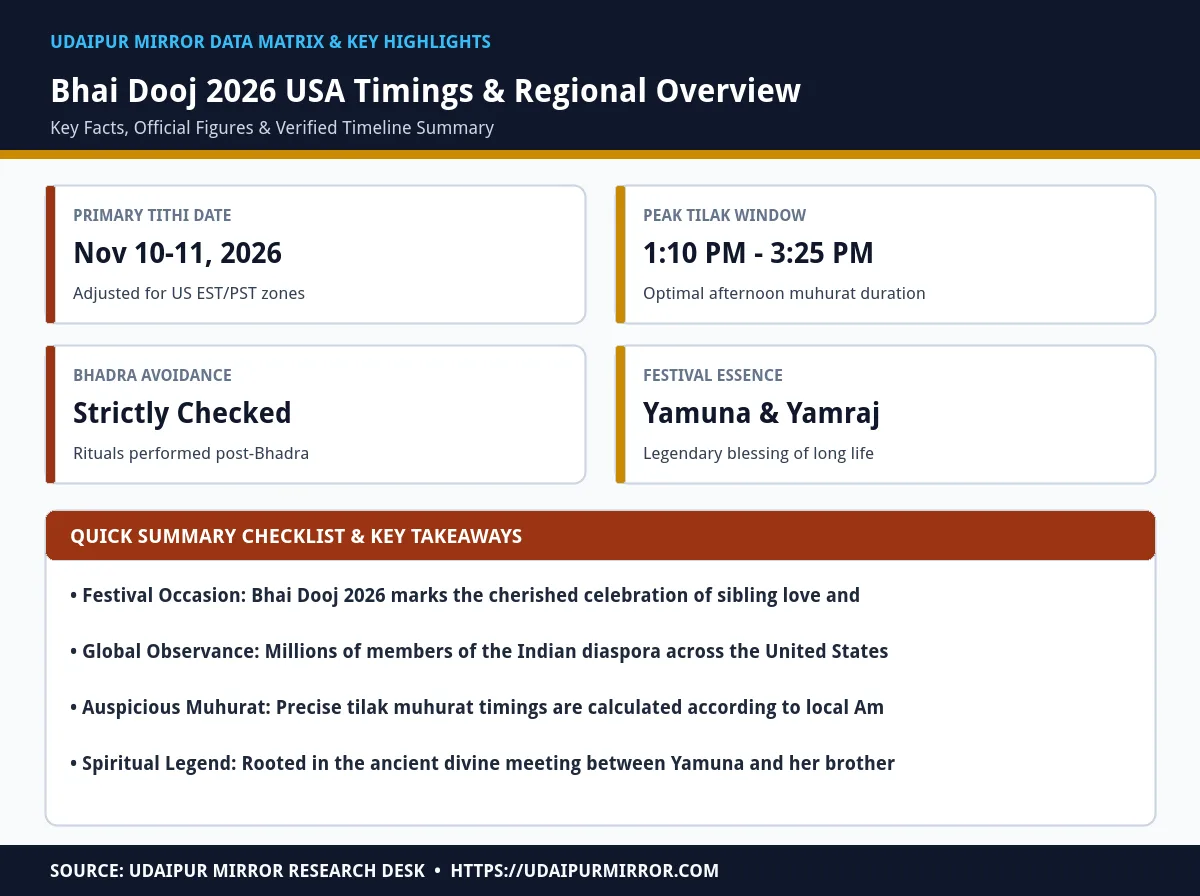
Because the Hindu calendar tithis do not align neatly with standard Gregorian solar dates and western longitude lines, families residing in the United States must carefully convert Vedic panchanga time slots. Below is a comprehensive reference guide to help diaspora communities across different American time zones identify their ideal ritual windows, keeping in mind local daylight saving adjustments and sunrise shifts.
| US Time Zone | Date of Observance | Recommended Tilak Muhurat | Key Astrological Note |
|---|---|---|---|
| Eastern Time (EST) | November 10-11, 2026 | 1:15 PM – 3:30 PM | Avoid Rahu Kaal window |
| Central Time (CST) | November 10-11, 2026 | 12:15 PM – 2:30 PM | Check local sunset times |
| Mountain Time (MST) | November 10, 2026 | 11:15 AM – 1:30 PM | Mid-day sun alignment |
| Pacific Time (PST) | November 10, 2026 | 10:15 AM – 12:30 PM | Early afternoon preference |
| Alaska / Hawaii | November 10, 2026 | 9:00 AM – 11:30 AM | Morning purification first |
A critical rule in executing Bhai Dooj rituals is the avoidance of Bhadra Kaal, an inauspicious astrological phase during which malefic energies are believed to prevail. Performing sacred rites or tying protective threads during Bhadra is traditionally prohibited in Hindu shastras. Therefore, families observing bhai dooj 2026 in usa must check local panchang conversions to verify that the chosen afternoon window is entirely clear of Bhadra dosha.
The peak afternoon muhurat—often spanning a two-to-three-hour window when the sun reaches its zenith—is considered ideal. During this period, sisters prepare a decorative thali containing roli, akshat (rice grains), fresh marigold flowers, betel nuts, and traditional sweets like laddoos or barfi. The ritualistic chanting of prayers invokes divine protection, mirroring ancestral customs performed across historic tirthas such as Matrikundiya Tirth Guide 2026: The Haridwar of Mewar, Holy Kund Dip & Parashuram Lore where spiritual purity is paramount.
“Strict adherence to muhurat guidelines ensures that the positive intentions of the festival manifest fully without obstructing astrological hurdles.” — Temple Committee Advisor
The profound spiritual roots of Bhai Dooj trace back to ancient Puranic lore detailing the divine interaction between Yamraj, the God of Death, and his sister Yamuna, the sacred river goddess. According to legend, Yamuna repeatedly invited her brother to visit her home for a meal. Busy with cosmic duties, Yamraj finally visited on the Shukla Paksha Dwitiya tithi. Overjoyed, Yamuna welcomed him with a grand feast, applied a protective tilak to his forehead, and performed an arti.
Deeply touched by her unconditional love and hospitality, Yamraj asked her to name a boon. Yamuna requested that any brother who receives a tilak from his sister on this specific day, and takes a holy dip in the Yamuna river, should never fall prey to untimely death or premature suffering. Yamraj granted this immense boon, establishing the eternal tradition. For families living in the USA, recreating this sacred narrative reinforces values of sibling devotion, mutual respect, and lifelong emotional support. (Also read: Matrikundiya Tirth Guide 2026: The Haridwar of Mewar, Holy Kund Dip & Parashuram Lore).
“The story of Yamuna and Yamraj reminds us that familial love possesses the spiritual strength to conquer fear and bless lives with longevity.” — Puranic Tradition Expert
Celebrating an ancient Hindu festival within the fast-paced corporate and academic environment of the United States requires creative adaptation. Many working professionals and university students coordinate their schedules to celebrate over the weekend or utilize remote video conferencing tools if siblings reside in different states—such as a sister in California connecting virtually with her brother in New York.
Despite geographical distance, the core elements remain unchanged. Families source authentic sweets and puja items from local Indian ethnic grocery stores, ensuring that traditional flavors and fragrances are preserved. This blend of modern convenience and unwavering cultural dedication highlights the vibrant resilience of the global Hindu community as they keep ancient traditions alive in 2026.
“Technology bridges physical distance, allowing diaspora siblings to share the sacred tilak ceremony across oceans and state lines.” — Cultural Community Coordinator
Bhai Dooj 2026 is observed across November 10 and 11, 2026, depending on the specific US time zone and local Vedic panchang calculations.
Bhadra Kaal is an inauspicious astrological period during which performing sacred ceremonies, including the Bhai Dooj tilak, is strictly avoided to ensure positive results.
The traditional thali includes roli (vermilion), akshat (unbroken rice grains), betel nuts, flowers, a ghee lamp, sweets, and a sacred coconut.
Yes, many families use virtual video calls to perform simultaneous prayers and maintain the spiritual essence of the ritual across different states.
Add Udaipur Mirror as a preferred source on Google to see more of our travel guides in your AI overviews.