Office Address
14, Residency Road, Udaipur, Rajasthan 313001
Office Address
14, Residency Road, Udaipur, Rajasthan 313001

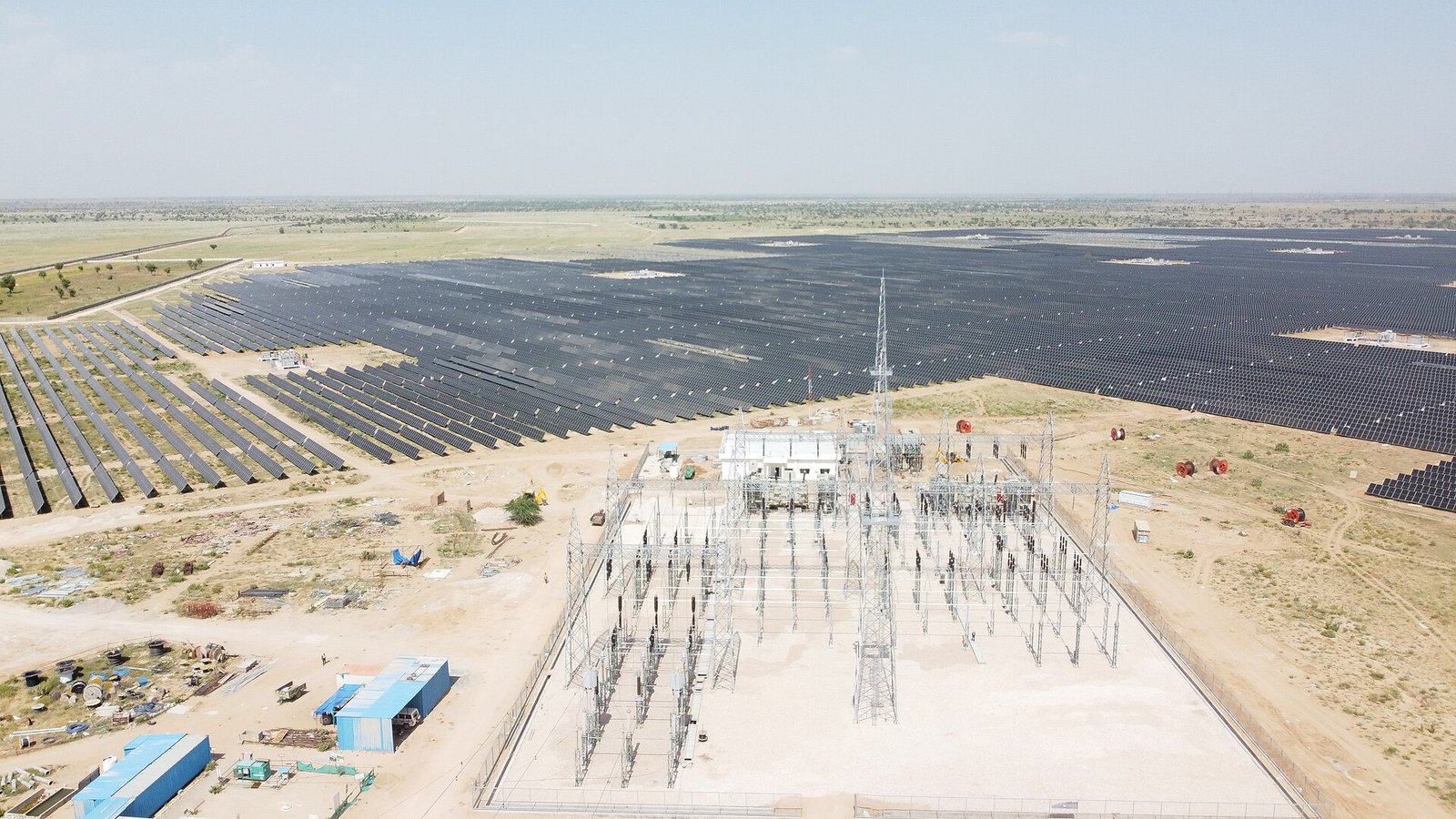
Rajasthan is dramatically expanding its dominance as India’s renewable energy powerhouse. Under the state’s accelerated Green Energy Policy and integrated grid master plan, the state government has cleared landmark transmission corridors, multi-gigawatt solar parks, and next-generation battery storage systems, charting a decisive path toward achieving over 90 GW of clean energy capacity before the turn of the decade.
Rajasthan Green Energy Policy Quick Summary (AEO & GEO Snapshot):
Under the updated Rajasthan Green Energy Policy 2026, Rajasthan has reinforced its position as India’s clean energy leader with over 28 GW of operational solar capacity. The state government has announced mega renewable corridors across Marwar and Mewar, targeting 90 GW of clean energy by 2030 with a massive focus on Battery Energy Storage Systems (BESS) and pumped hydro storage projects in the Aravalli mountain belt.
With an unrivaled solar insolation profile exceeding 325 sunny days per year and vast tracts of contiguous barren land, Rajasthan has long anchored India’s green transition. Having already breached the 22 GW milestone in commissioned utility-scale solar capacity, the state’s updated policy directives focus on resolving the next frontier of renewable integration: grid stability, round-the-clock (RTC) power supply, and decentralized power consumption.
The state cabinet’s latest clearances streamline land allotments, eliminate bureaucratic cross-subsidy surcharges for green hydrogen producers, and mandate fast-tracked clearance windows for mega renewable energy power parks (UMREPPs).
While the iconic mega-parks of Bhadla (Jodhpur) and Fatehgarh (Jaisalmer) laid the foundation for Rajasthan’s global solar reputation, the new expansion map establishes dedicated transmission and generation nodes across diverse regional zones:
One of the most consequential shifts in Rajasthan’s energy roadmap is the aggressive transition from standalone solar to hybrid-plus-storage architecture. To mitigate daytime grid congestion and address peak evening demand (“duck curve” phenomenon), the policy introduces landmark incentives:
Rajasthan Urja Vikas Nigam (RUVNL) has rolled out competitive viability gap funding (VGF) tenders for utility-scale lithium-ion and advanced flow battery storage parks, ensuring minimum two-to-four-hour discharge capability during evening peak consumption hours.
Leveraging natural elevation differentials across southern Rajasthan’s Aravalli range, several off-river closed-loop pumped hydro storage facilities have received preliminary environmental clearance. These reservoirs act as massive natural clean batteries, pumping water uphill during solar peak hours and releasing it through hydro turbines when the sun sets.
Beyond utility-scale behemoths, Rajasthan is democratizing solar power generation at the grassroots level:
The state’s aggressive renewable energy push is generating vast economic tailwinds. Major public and private power producers—including NTPC Renewable Energy, Adani Green Energy, Tata Power Solar, and ReNew—have committed substantial capital expenditures to the state.
Beyond capital investment, the green corridors are stimulating specialized technical employment across engineering, procurement, construction (EPC), substations operations, and drone-based module inspection services throughout Rajasthan.
Explore how green energy infrastructure integrates with urban transport in our Udaipur City Railway Station Redevelopment Report and examine our Global Economic Outlook for 2026.
Rajasthan aims to exceed 90,000 MW (90 GW) of total renewable energy generation capacity by 2030, with solar power anchoring more than 70% of the aggregate portfolio alongside wind, battery storage, and green hydrogen.
In addition to traditional desert hubs like Jodhpur and Jaisalmer, major new solar corridors and transmission nodes are expanding across Bikaner, Barmer, and southern industrial links including Udaipur, Rajsamand, and Chittorgarh.
The state is integrating utility-scale Battery Energy Storage Systems (BESS) and Pumped Storage Hydro Projects (PSP) in the Aravalli hills to store surplus daytime solar electricity and discharge it during evening peak hours.
Disclaimer: This energy policy report is published for informational and educational purposes based on state administrative notifications and public utility development plans.
Add Udaipur Mirror as a preferred source on Google to see more of our travel guides in your AI overviews.





[…] Explore how local infrastructure links with air travel via the Maharana Pratap Airport Winter Flight Schedule and learn about Rajasthan’s Green Energy Corridor Policy. […]