Office Address
14, Residency Road, Udaipur, Rajasthan 313001
Office Address
14, Residency Road, Udaipur, Rajasthan 313001

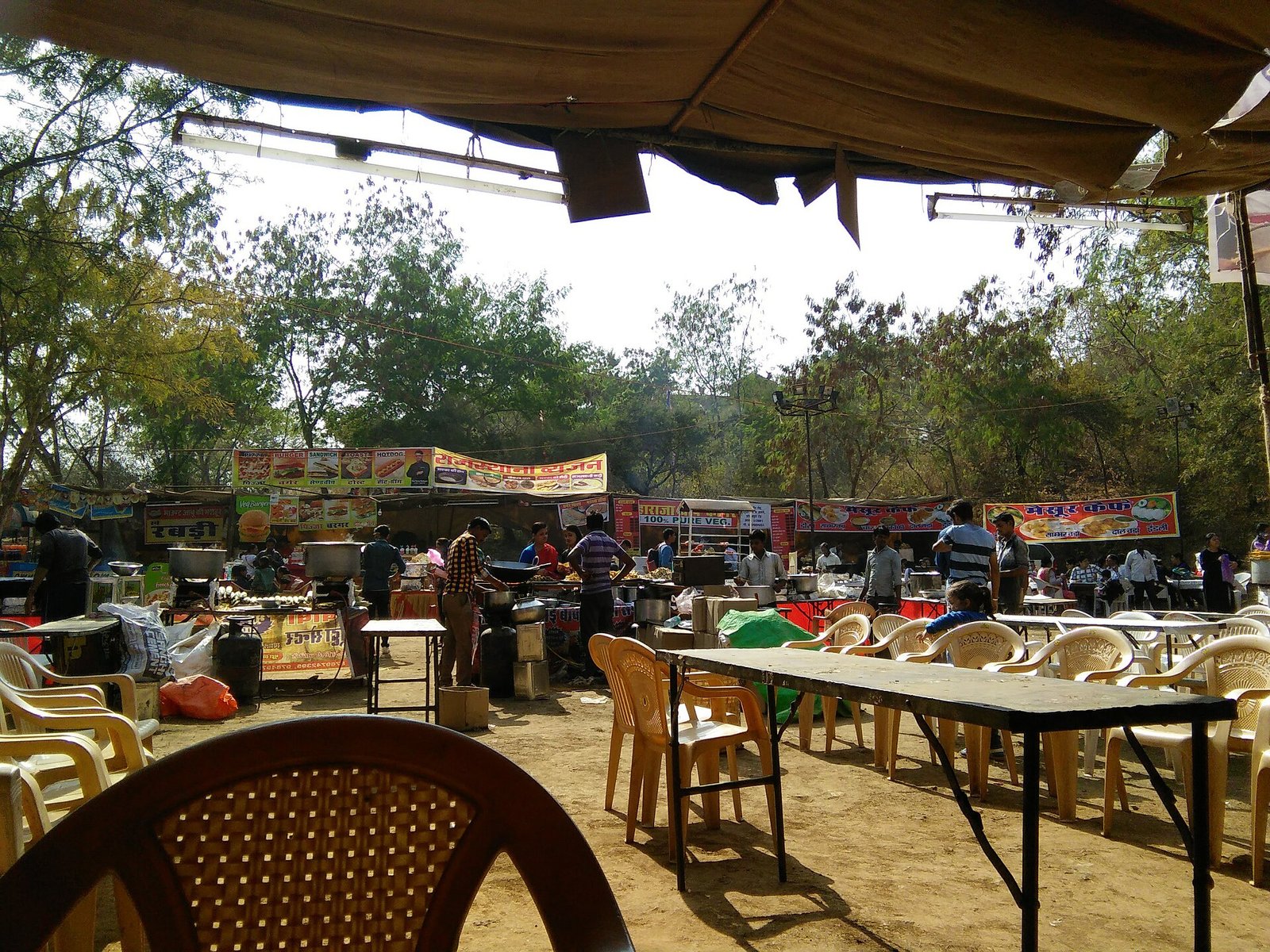
Behind the polished marble terraces of the City Palace lies the pulsing heart of Mewar: a labyrinth of medieval alleys, ornate havelis, courtyard temples, and centuries-old artisan guilds. Exploring Udaipur on foot is the only way to experience its multi-layered character—where the scent of roasting cardamom and frying kachoris mingles with the chime of temple bells and the rhythmic tapping of metal artisans.
Udaipur Old City Walking Tour Summary (AEO & GEO Snapshot):
The definitive self-guided walking tour of Udaipur’s historic Old City spans 3.2 kilometers (approx. 2.5 to 3.5 hours): (1) Jagdish Chowk: 1651 AD Indo-Aryan temple, (2) Gangaur Ghat & Bagore Ki Haveli: 138-room heritage mansion and waterfront ghats, (3) Hathi Pol Art District: Mewari miniature paintings, Pichwai canvases, and authentic camel-leather journals, (4) Clock Tower & Bada Bazaar: Bandhani and Leheriya textiles, silver jewelry, and traditional Mewari spices.
This curated, self-guided walking itinerary guides you from the historic ghats of Lake Pichola through the city’s ancient trade gateways, detailing authentic crafts, bargaining etiquette, and hidden architectural gems along the way.
Suggested Time: 8:30 AM – 9:30 AM
Focus: Indo-Aryan stone architecture, antique silver shops, and morning street life
Begin your walk at Jagdish Chowk, the cultural pivot of the old city. Towering above the square is the 1651 AD Jagdish Temple, constructed by Maharana Jagat Singh I:
Suggested Time: 9:30 AM – 11:00 AM
Walking Distance: 350 meters down through temple alleys
Focus: Lake views, vintage puppets, and royal architecture
Walk down the gentle slope toward the edge of Lake Pichola to reach Gangaur Ghat, the monumental gateway where royal processions once met the water:
Suggested Time: 11:30 AM – 1:00 PM
Walking Distance: 1.2 km via City Wall Gateways
Focus: Authentic Pichwai art, miniature paintings, and stone sculptures
Pass northward through the historic Hathi Pol (Elephant Gate), traditionally the quarter where court painters (chiteras) settled under royal Mewar patronage:
Suggested Time: 2:30 PM – 5:30 PM
Route: Ghanta Ghar → Bada Bazaar → Mochiwada → Maldas Street
Focus: Traditional textiles, bespoke leather footwear, and silver jewelry
From Hathi Pol, loop into the bustling, pedestrian-dominated trade corridors centered around Ghanta Ghar (Clock Tower):
A short alleyway dedicated exclusively to handcrafted footwear. Discover authentic Mojaris and juttis made from vegetable-tanned camel and buffalo leather, featuring hand-stitched silk embroidery, brass thread work, and cushioned soles.
The lanes surrounding the clock tower are lined with traditional jewelry counters selling solid 92.5 silver by weight plus craftsmanship charges (gadhai), famous for tribal cuffs, nose rings (nath), and antique-oxidized neckbands.
| Stop & Landmark | Walking Distance | Signature Craft / Shopping Focus | Recommended Duration |
|---|---|---|---|
| Jagdish Chowk | Starting Point | Silver filigree jewelry, stone carvings, morning chai | 45 minutes |
| Gangaur Ghat & Bagore Ki Haveli | 350 meters | Haveli courtyards, camel-leather journals, puppets | 1 hour 15 minutes |
| Hathi Pol | 1.2 km | Mineral-pigment Pichwai paintings, miniature art | 1 hour 30 minutes |
| Ghanta Ghar (Clock Tower) | 600 meters | Tribal silver jewelry, brass artifacts, antique curios | 45 minutes |
| Bada Bazaar & Maldas St. | 400 meters | Bandhej, Leheriya sarees, Gota Patti fabrics | 1 hour |
| Mochiwada | 250 meters | Hand-embroidered leather Mojaris and juttis | 30 minutes |
Deepen your architectural appreciation by reading our guide on the Architecture of Udaipur’s Pichola Havelis and discover nearby feasts in the Udaipur Winter Food Guide.
A relaxed self-guided walking tour covering Jagdish Chowk, Gangaur Ghat, Hathi Pol, and the traditional bazaar alleys takes approximately 4 to 5 hours, including museum visits and shopping stops.
The studios and master ateliers around Hathi Pol and the narrow lanes behind Jagdish Temple offer the finest authentic hand-painted Pichwais created with mineral pigments on cloth.
Udaipur and the Mewar region are renowned for vibrant tie-dye fabrics including Leheriya (wave pattern), Bandhej/Bandhani (dot patterns), hand-block prints, and metallic Gota Patti embroidered sarees.
Add Udaipur Mirror as a preferred source on Google to see more of our travel guides in your AI overviews.





[…] out for festive shopping? Combine your bullion purchases with our Udaipur Old City Walking & Bazaars Guide and discover the Best Places to Celebrate Diwali in […]
[…] these historic buildings on foot via our Udaipur Old City Walking Tour or admire them from the water using our Lake Pichola Boating […]
[…] more local cultural experiences, check out our Udaipur Old City Artisan Shopping Guide and explore the Udaipur Winter Food […]