Office Address
14, Residency Road, Udaipur, Rajasthan 313001
Office Address
14, Residency Road, Udaipur, Rajasthan 313001

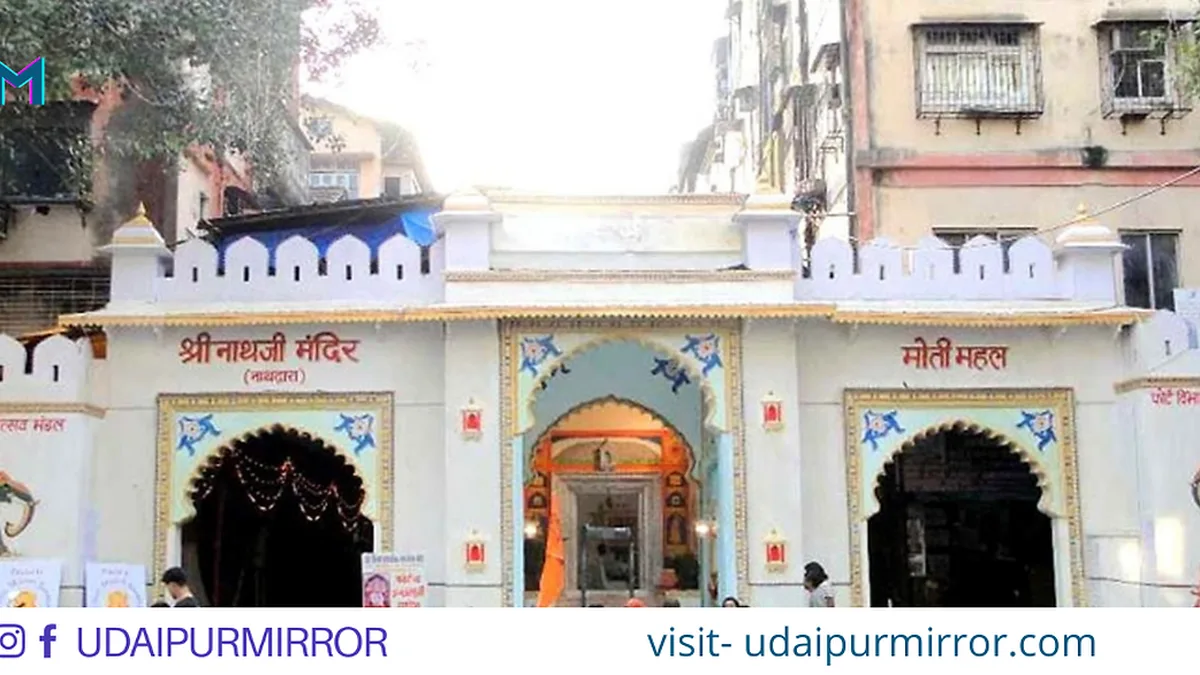
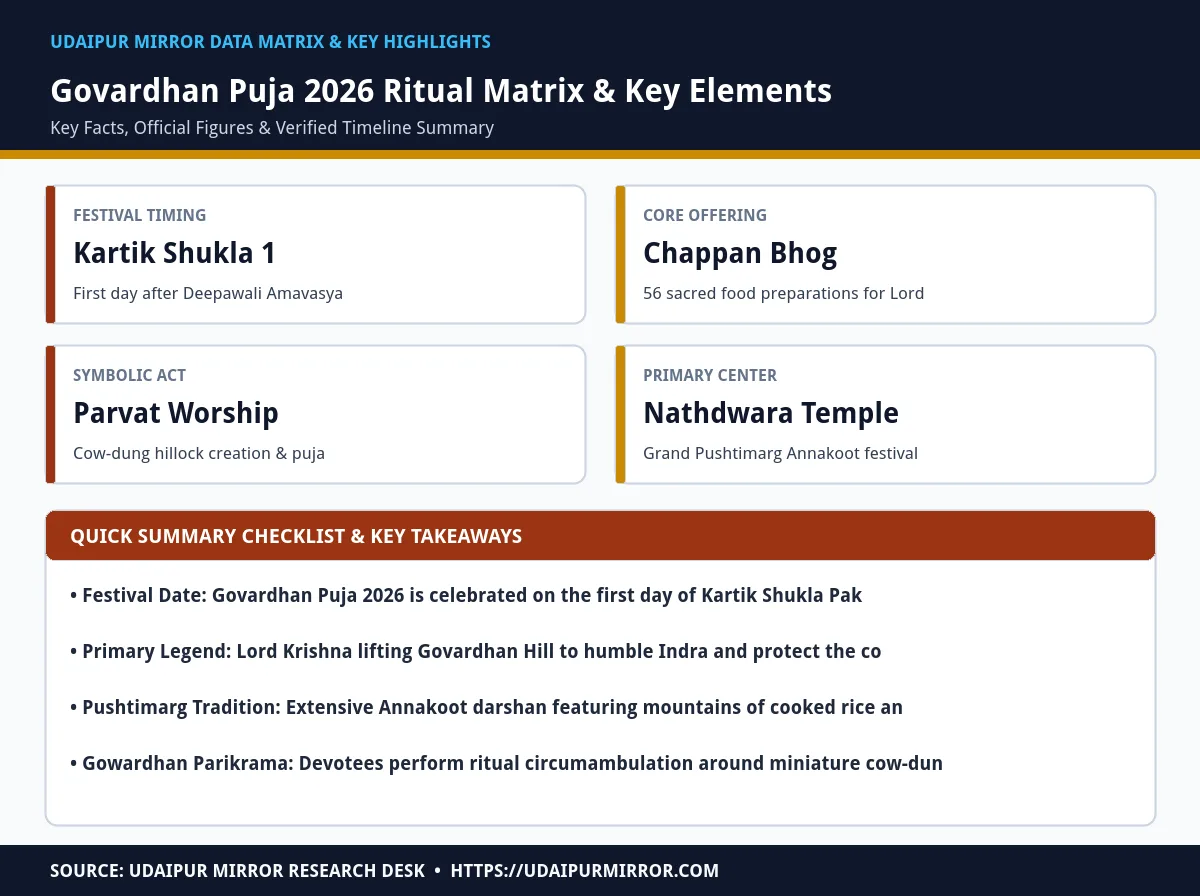
NATHDWARA / UDAIPUR: NATHDWARA / UDAIPUR — As the festive fervour of Deepawali settles across the Mewar region, devotees turn their spiritual focus towards the much-awaited celebration of govardhan puja 2026 date, falling right after Diwali. This sacred festival commemorates the legendary day when Lord Krishna lifted the Govardhan Mountain on his little finger to protect the residents of Braj from torrential rains unleashed by an angered Lord Indra. Across temple towns like Nathdwara and Udaipur, preparations are in full swing to honour this profound environmental and spiritual ethos through elaborate Annakoot offerings and ritual cow worship.
⚡ Quick Highlights: Govardhan Puja 2026 Date, Story and Rituals Explained
The roots of Govardhan Puja are deeply intertwined with the eternal philosophy of nature worship in Sanatan Dharma. According to the Bhagavata Purana, the residents of Braj traditionally worshipped Lord Indra, the deity of rain and thunderstorms, for bountiful harvests. Lord Krishna, observing this, advised the villagers to instead worship Govardhan Hill, which provided sustenance, grazing pastures, and natural resources for their cattle and livelihood.
Enraged by the cessation of his worship, Indra unleashed devastating rainstorms over Vrindavan. To safeguard the innocent people and animals, young Krishna effortlessly lifted Govardhan Hill on the little finger of his left hand, sheltering the entire community underneath for seven continuous days and nights. Recognizing his divine supremacy, Indra relented and offered profound apologies. To understand how regional shrines manage these grand celebrations, pilgrims often consult the Mewar pilgrimage guide for up-to-date travel and temple entry protocols.
“Nature is our ultimate sustainer and protector; worshipping Govardhan Hill teaches us ecological harmony and gratitude for the earth's bounty.” — Pushtimarg Scholar & Temple Priest
The five-day festival of lights encompasses multiple sacred observances, culminating in Govardhan Puja and Bhai Dooj. Review the complete ritual sequence for the 2026 festive season across Mewar.
| Festival Day | Event Name | Primary Significance | Key Rituals & Offerings |
|---|---|---|---|
| Day 1 | Dhanteras | Wealth & Prosperity | Purchase of gold, silver, and utensils; Dhanvantari puja. |
| Day 2 | Naraka Chaturdashi | Victory of Light over Dark | Early morning ritual bath (Abhyanga Snan) and Yam Diya. |
| Day 3 | Diwali (Deepawali) | Goddess Lakshmi Worship | Lighting earthen lamps, fireworks, and welcoming prosperity. |
| Day 4 | Govardhan Puja | Lord Krishna & Nature Worship | Annakoot preparation, cow worship, and mountain parikrama. |
| Day 5 | Bhai Dooj | Sibling Bond Celebration | Sisters apply tilak on brothers’ foreheads for longevity. |
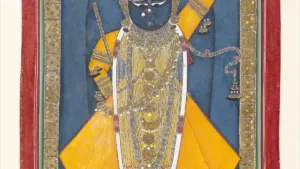
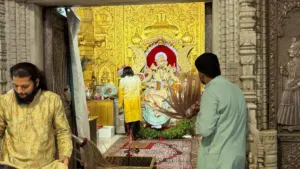
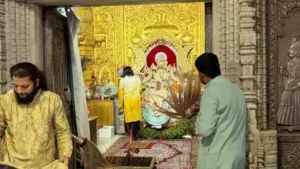
In the Pushtimarg tradition pioneered by Shri Vallabhacharya, Govardhan Puja and Annakoot hold paramount importance. At the sacred Shreenathji Temple in Nathdwara, the festival is celebrated with unmatched grandeur. Heaps of cooked grains, sweets, and savories—collectively known as Chappan Bhog and Annakoot—are symbolically piled up to represent Govardhan Mountain.
Devotees gather in thousands to witness the specialized jharkis, where the deity is adorned in magnificent attire. The temple echoes with devotional chants as priests perform elaborate aartis, offering the massive mountain of food to Shreenathji before it is distributed as holy prasad among the gathered pilgrims.
“The Annakoot festival at Nathdwara is a visual spectacle of divine devotion where every grain of food is offered in absolute surrender.” — Temple Board Spokesperson
On the day of Govardhan Puja, households across India and the Mewar region engage in creative and pious domestic rituals. Families sculpt miniature replicas of Govardhan Mountain using fresh cow dung in their courtyards or entryways. These hillocks are decorated with flowers, grass, and tiny figures representing trees, animals, and humans.
Worshippers offer prayers with fresh fruits, sweets, incense, and water, followed by performing parikrama (circumambulation) around the cow dung hill. Cattle, especially cows, are bathed, adorned with turmeric and vermilion garlands, and fed freshly prepared fodder as an expression of gratitude for their life-giving contributions. (Also read: Rama Ekadashi 2026: Date, Shubh Muhurat, Puja Vidhi and Vrat Rules Explained).
“Creating the Govardhan structure at home connects urban families to our agrarian roots and agrarian heritage.” — Local Cultural Historian
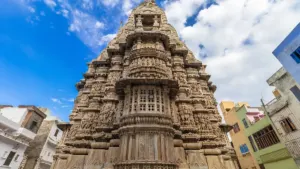
For travelers and spiritual seekers based in Udaipur, visiting Nathdwara for Govardhan Puja and Annakoot darshan is a cherished annual pilgrimage. Located approximately 48 kilometers north of Udaipur via NH 8, Nathdwara is easily accessible by road within an hour.
State transport buses, private taxis, and dedicated pilgrim shuttle services operate frequent runs between Udaipur’s central bus stands and Nathdwara. Visitors are advised to plan their journeys well in advance, arrive early for specific darshan windows, and check local traffic advisories to navigate festival crowds smoothly.
“Proper advance planning ensures a peaceful and spiritually uplifting pilgrimage during peak festival days in Mewar.” — Udaipur Tourism Coordinator
Govardhan Puja 2026 is celebrated on the first day of Kartik Shukla Paksha, immediately following the day of Deepawali Amavasya.
The festival commemorates Lord Krishna lifting Govardhan Hill on his finger to protect the people and cattle of Vrindavan from torrential rains sent by Lord Indra.
The temple celebrates with grand Annakoot Mahotsav, where mountains of food and sweets are offered to Lord Shreenathji amidst specialized jharkis and Haveli Sangeet.
Households sculpt miniature hillocks out of cow dung, decorate them with flowers, perform ritual parikrama, and worship cows with garlands and sweet fodder.
Add Udaipur Mirror as a preferred source on Google to see more of our travel guides in your AI overviews.