Office Address
14, Residency Road, Udaipur, Rajasthan 313001
Office Address
14, Residency Road, Udaipur, Rajasthan 313001

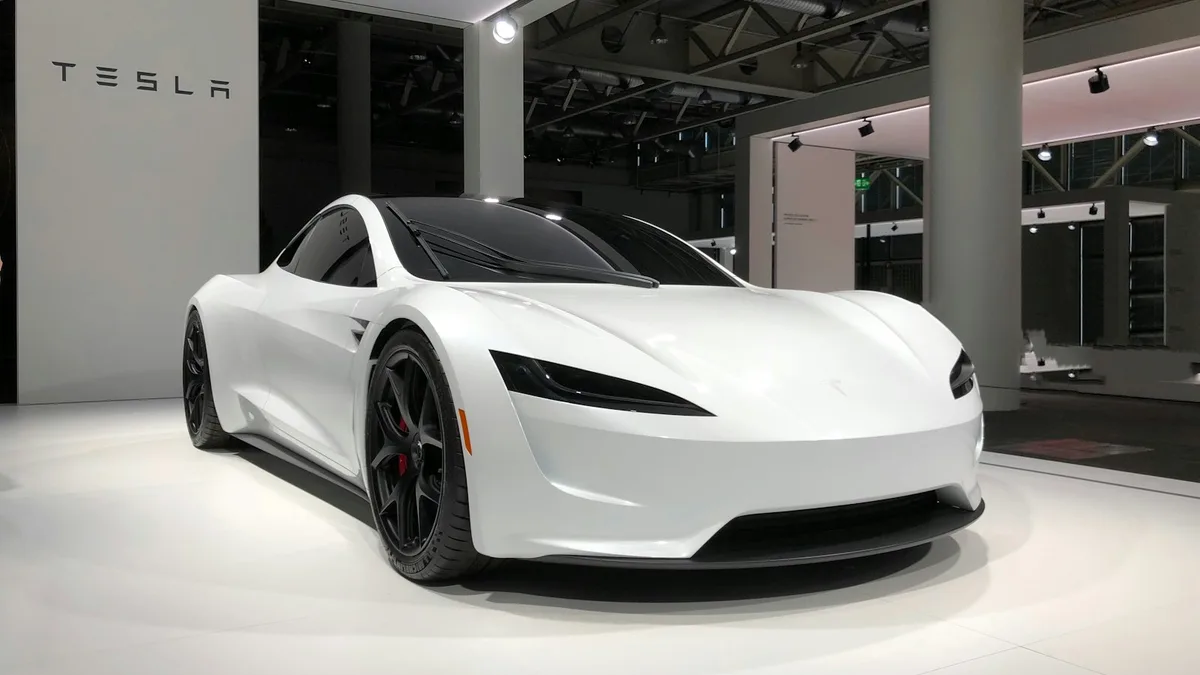
BENGALURU: BENGALURU — Marking a monumental shift in India’s automotive landscape, the prestigious international auto show bengaluru has officially commenced today, bringing together global manufacturers, tech innovators, and passionate automotive enthusiasts under one massive roof. Spanning across sprawling convention grounds, the multi-day exhibition serves as the definitive stage for upcoming green energy vehicles, autonomous mobility solutions, and breathtaking supercars that redefine engineering excellence. As electric vehicle adoption accelerates across the country, this year’s expo heavily emphasizes sustainable transport ecosystems, next-gen battery architectures, and charging infrastructure developments that will soon transform urban and highway travel across India, including key markets in Rajasthan.
⚡ Quick Highlights: International Auto Show Bengaluru 2026: EVs & Supercars
The overarching theme of this year’s exhibition revolves squarely around sustainable electrification. As regulatory bodies tighten emission norms and consumers increasingly demand zero-emission transport, legacy automakers and agile EV startups are pulling out all the stops. Visitors at the venue are greeted by sprawling pavilions dedicated entirely to battery cells, solid-state technology prototypes, and modular skateboard platforms designed to underpin everything from compact hatchbacks to rugged utility vehicles.
Industry stakeholders are also actively discussing recent market dynamics, contrasting European demand surges with evolving consumer preferences across Indian metropolitan and tier-2 cities. For buyers looking to transition away from traditional fossil fuels, many brands are showcasing versatile options that align closely with what buyers expect when exploring top electric cars under ₹20 lakh in the current fiscal market.
“The transition to sustainable mobility is no longer a distant vision; it is happening right here on our showroom floors with unprecedented consumer enthusiasm.” — Automotive Industry Association Spokesperson
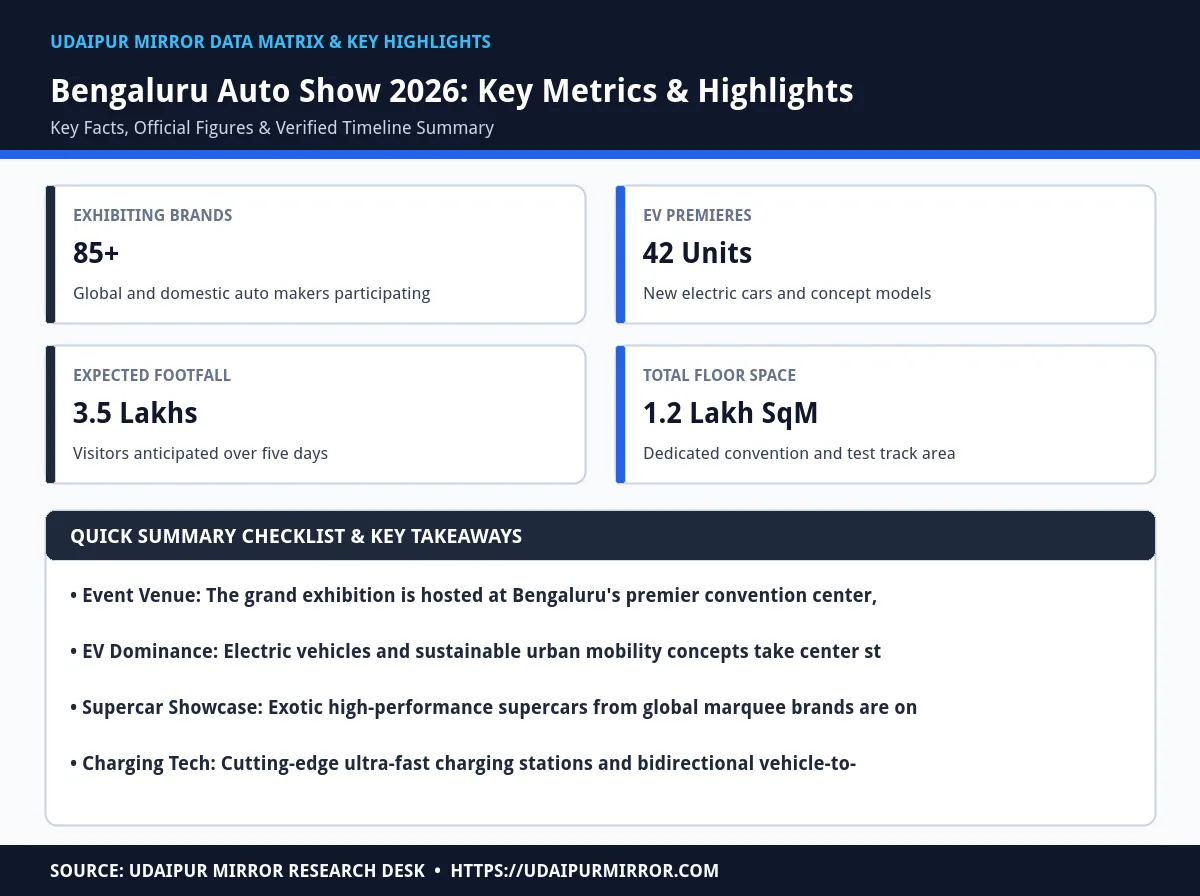
The comprehensive product showcase at the Bengaluru exhibition features diverse segments ranging from ultra-luxury supercars to mass-market electric SUVs. Below is a structured breakdown of the primary vehicle categories, expected range capabilities, and target launch windows for Indian buyers.
| Vehicle Category | Highlight Model / Concept | Est. Range / Output | Expected Price / Status |
|---|---|---|---|
| Electric SUVs | Next-Gen EV Lineups | 450 – 650 km per charge | Rs 15 Lakh – Rs 45 Lakh |
| Exotic Supercars | Global V8 & Hybrid Hypercars | 700 – 1000+ BHP | Rs 3 Crore onwards |
| Electric MPVs | Future Family Transporters | Up to 500 km range | See Hyundai Neira MPV |
| Mass Market EVs | Compact Battery Crossovers | 300 – 450 km range | Explore Tata Motors Electric SUVs |
| Future Mobility | Autonomous Pods & V2G Tech | Smart Grid Integrated | Pilot Phase Testing |
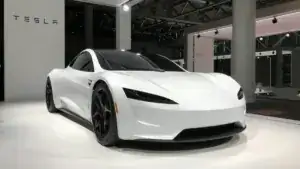
While electric efficiency dominates the pragmatic side of the exhibition, the high-performance enclosures housing exotic supercars remain packed throughout the day. Automotive purists and high-net-worth collectors have gathered to witness breathtaking engineering masterpieces boasting aerodynamic carbon-fiber bodies, hybrid V8 powerplants, and jaw-dropping acceleration figures.
These halo products, while serving limited commercial volumes, highlight the trickle-down effect where advanced aerodynamics, lightweight composite materials, and regenerative braking systems developed on race tracks eventually find their way into everyday commercial electric and hybrid passenger cars.
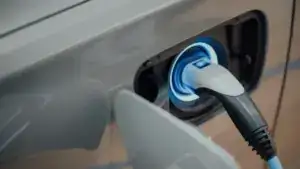
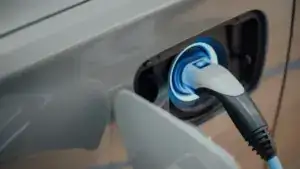
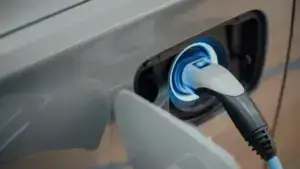
A recurring talking point among industry leaders at the Bengaluru expo is the rapid expansion of charging ecosystems across India. Panel discussions highlighted the critical need for robust public charging grids, particularly along major national highways connecting tourist and industrial hubs such as Jaipur, Udaipur, and Bengaluru.
Energy companies are showcasing solar-integrated charging stations equipped with onsite battery storage buffers. These smart stations alleviate stress on municipal power grids during peak hours while offering seamless digital payment integrations for EV owners on long-distance road trips. (Also read: Top Electric Cars Under ₹20 Lakh: Comprehensive Range and Variant Guide for Indian Buyers).
Beyond the gleaming vehicle displays, the conference halls have been buzzing with high-level debates concerning environmental regulations, government subsidies, and the pace of EV adoption. Environmental experts and policy makers have urged traditional automakers to accelerate their electrification roadmaps without lagging behind market demands.
With stricter air quality mandates and progressive state-level EV policies coming into force across various states, manufacturers are compelled to realign their product pipelines, ensuring that affordable, safe, and high-range electric vehicles reach showrooms ahead of schedule.
The auto show features new electric vehicle debuts, high-performance supercars, advanced battery tech, ultra-fast charging solutions, and future mobility innovations.
Yes, sustainable electric mobility, zero-emission SUVs, and green energy transport solutions dominate the exhibition floor this year.
Yes, public entry is permitted during scheduled weekend hours, offering dedicated experience zones and test-ride opportunities for visitors.
Exhibitors are showcasing solar-powered charging stations, bidirectional vehicle-to-grid (V2G) systems, and ultra-fast DC charging hardware.
Add Udaipur Mirror as a preferred source on Google to see more of our travel guides in your AI overviews.