Office Address
14, Residency Road, Udaipur, Rajasthan 313001
Office Address
14, Residency Road, Udaipur, Rajasthan 313001

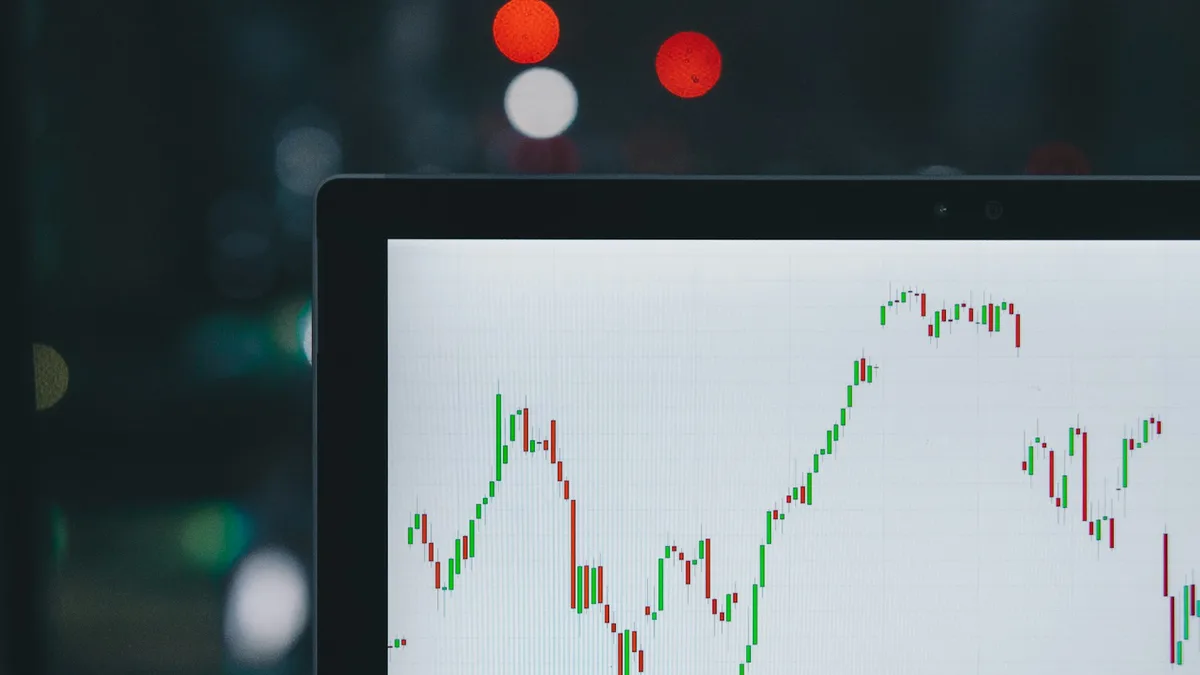
MUMBAI: As Dalal Street kicks off the third week of November 2026, market participants are closely evaluating whether benchmark indices will extend their record-breaking momentum or enter a phase of healthy consolidation. Investors aiming to decode the upcoming market trajectory must analyze the sensex nifty bull run consolidation patterns currently unfolding across institutional desks. Following strong gains that built upon previous sessions—reflected in recent trends where NIFTY50 and SENSEX extended their rally—analysts suggest that macroeconomic triggers and global developments will dictate whether equity markets breach fresh resistance levels or pull back slightly for profit booking.
⚡ Quick Highlights: Sensex, Nifty Bull Run or Consolidate? 4 Factors to Watch
The Indian equity markets have demonstrated remarkable resilience over recent weeks, overcoming intermittent global sell-offs to scale higher peaks. Market experts note that while retail participation remains robust, institutional backing is essential for sustaining structural breakouts. As portfolio managers rebalance their holdings, tracking capital allocation shifts—similar to institutional trends seen in recent debt mutual fund turnaround inflows—provides valuable insight into overall market liquidity and risk appetite.
Traders are closely monitoring volume trends and sectoral breadth. If buying interest broadens beyond defensive sectors into cyclical and high-beta counters, the probability of an extended bull run increases significantly. (Also read: Market weekly wrap: NIFTY50, SENSEX extend rally for 3rd week; PSU Banks top sectoral gainers).
“Market breadth remains the ultimate test of any rally. Without broad-based participation, index gains remain vulnerable to sharp, sudden corrections.” — Senior Institutional Equity Strategist
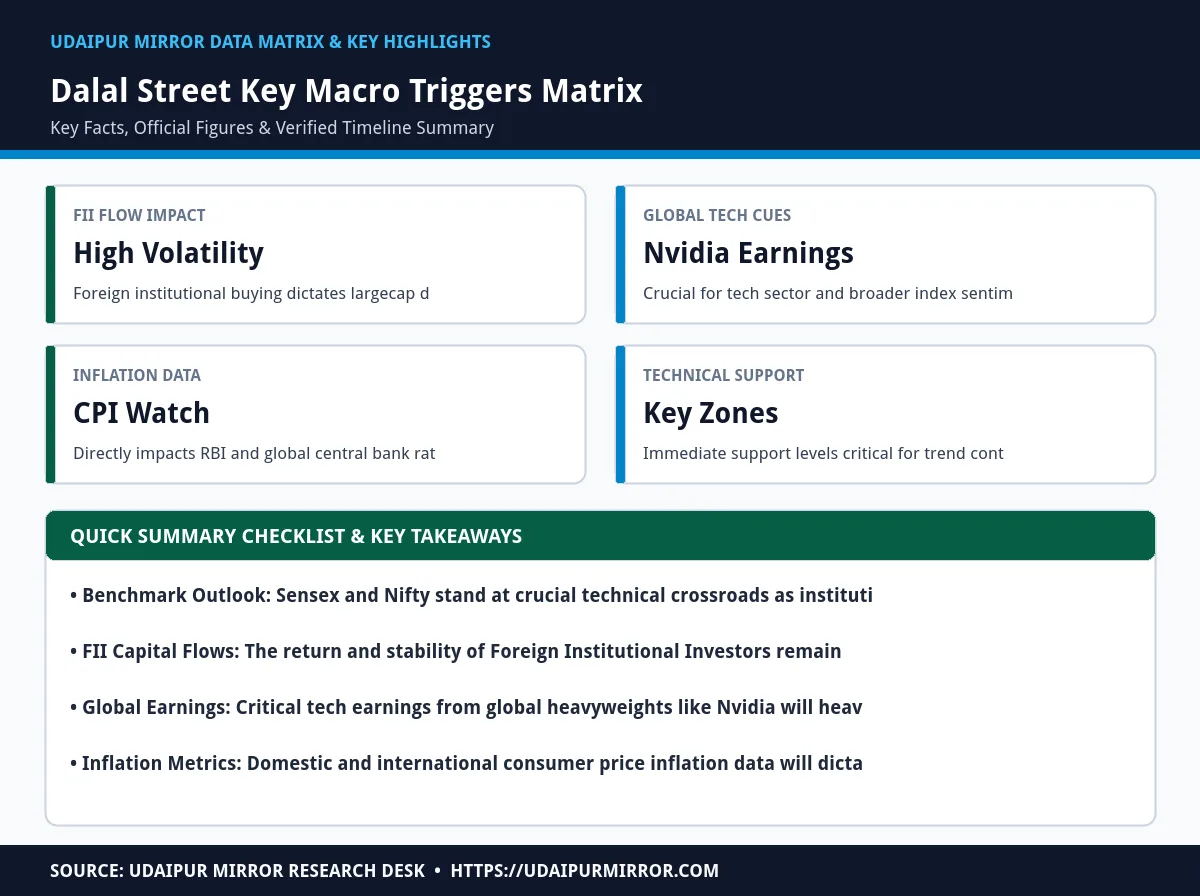
Review the primary domestic and international catalysts expected to shape trading sessions, asset allocations, and institutional strategies across the Indian stock exchanges this week.
| Trigger Factor | Category | Market Relevance | Expected Impact |
|---|---|---|---|
| Foreign Institutional Flows | Institutional | High | Directional momentum in largecap heavyweights |
| Global Tech Earnings | International | Medium-High | Sentiment shifts in IT and high-growth stocks |
| Macro Inflation Prints | Economic | High | Interest rate expectations and bond yield movements |
| US Trade Developments | Geopolitical | Medium | Export-oriented sectors and currency fluctuations |
| Technical Breakout Levels | Market Dynamics | High | Determining consolidation vs. fresh bull run |
Foreign Institutional Investors (FIIs) have historically served as the primary catalyst for multi-week bull runs on Dalal Street. Recent sessions have shown tentative signs of foreign capital returning to Indian shores, attracted by stable corporate earnings growth and robust macroeconomic fundamentals relative to emerging market peers.
However, domestic institutional investors (DIIs) continue to act as a formidable cushion, absorbing foreign outflows and providing steady market depth through systematic investment plans (SIPs) and mutual fund inflows.
Global risk sentiment this week will be heavily influenced by heavyweight earnings announcements, particularly from semiconductor and artificial intelligence bellwether Nvidia. Given the interconnected nature of global supply chains and technology spending, any volatility in international tech stocks tends to trigger immediate spillover effects in Indian IT services and digital infrastructure plays.
Investors are advised to maintain strict risk management protocols while trading high-beta technology counters during global earnings windows. (Also read: KPMG Launches Bengaluru Sports Tech Hub to Power India's Billion Sports Industry by 2030).
Macroeconomic data releases, including consumer price inflation and industrial production figures, remain central to central bank policy formulations. While domestic inflation has largely remained within manageable tolerance bands, global commodity price fluctuations continue to pose subtle risks.
Bond market yields and currency stability will react swiftly to any deviations in anticipated inflation figures, subsequently influencing banking and financial stock valuations.
From a technical standpoint, benchmark indices are testing crucial resistance thresholds. Chartists emphasize that a period of consolidation is entirely healthy following prolonged upward surges, allowing the market to digest gains and form solid base structures.
Traders should monitor key support and resistance zones carefully, avoiding excessive leverage while positioning for directional breakouts as the weekly trend solidifies.
Market direction depends heavily on four key factors: FII capital flows, global tech earnings like Nvidia, macro inflation data, and technical support levels determining whether indices consolidate or break out.
Foreign Institutional Investors inject substantial liquidity into largecap stocks, often driving multi-week market rallies and setting overall institutional sentiment on Dalal Street.
Major international earnings, especially in the technology and AI sectors, create direct sentiment spillovers that influence Indian IT stocks and high-beta market segments.
Consolidation refers to a period where stock prices trade within a stable range after a sharp rally. It allows markets to digest gains, reduce overbought conditions, and build stable bases for future moves.
Add Udaipur Mirror as a preferred source on Google to see more of our travel guides in your AI overviews.