Office Address
14, Residency Road, Udaipur, Rajasthan 313001
Office Address
14, Residency Road, Udaipur, Rajasthan 313001

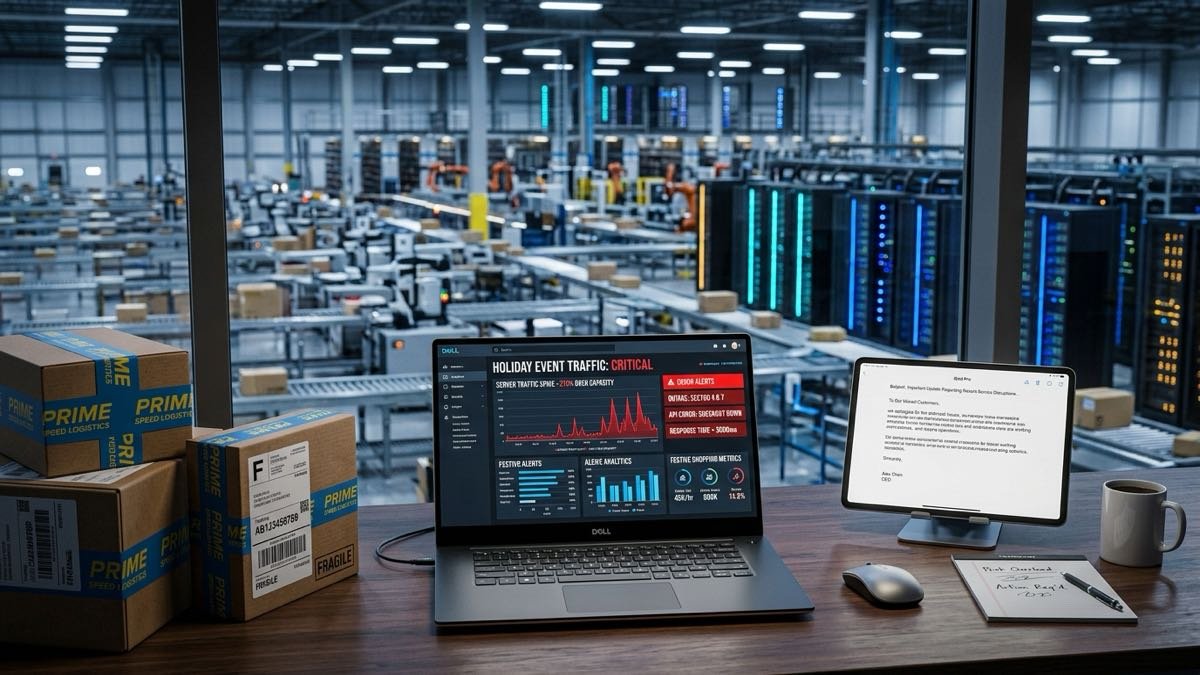
When Flipkart’s inaugural Big Billion Day on October 6, 2014, generated ₹2,600 crore in just 10 hours, it looked like an unprecedented triumph. Instead, it triggered a massive operational meltdown that forced founders Sachin and Binny Bansal to issue a public apology to their customers.
Twelve years ago, the first-ever Big Billion Day pushed Flipkart’s early infrastructure past its absolute limits. The site buckled under unprecedented traffic surges, items vanished from carts in seconds, confirmed orders were arbitrarily cancelled, and frustrated shoppers accused the platform of running fake or misleading discounts.
Rather than hiding behind PR statements or sweeping the disaster under the rug, co-founders Sachin Bansal and Binny Bansal took direct accountability. They sent a signed, transparent email to millions of aggrieved shoppers stating, “We failed to live up to this promise.” That public ownership of failure set the stage for one of the most remarkable commercial turnarounds in Indian corporate history.
Most corporate boards would have permanently scrapped an event that generated such intense public backlash. Instead, Flipkart and the wider Indian e-commerce ecosystem turned the crisis into a blueprint for mass retail transformation through three key strategic shifts:
Parallel growth has been reflected in recent multi-crore festive GMV milestones and rapid logistics expansions across regional quick-commerce dark stores.
Fast forward twelve years, and the sheer scale of India’s festive e-commerce economy is staggering. According to data from Redseer Strategy Consultants, the first two days of recent flagship festive sales generated an estimated ₹24,000 crore—roughly six times a normal trading day. Moreover, two out of three shoppers now originate from Tier-2 towns and rural India, proving that the digital retail revolution has successfully penetrated Bharat.
The 2014 debacle taught corporate India a timeless lesson in trust: Own the mistake in public, fix the underlying infrastructure, and come back stronger next year.
The first Flipkart Big Billion Day was held on October 6, 2014, generating ₹2,600 crore in 10 hours but resulting in severe technical glitches and order cancellations.
Founders Sachin Bansal and Binny Bansal issued a public apology email admitting failure after website crashes, out-of-stock errors, and cancelled orders angered thousands of shoppers.
According to Redseer Strategy Consultants, the opening two days of flagship e-commerce festive sales generate upwards of ₹24,000 crore, with strong demand stemming from Tier-2 and rural markets.
Disclaimer: This historical business analysis is published for informational and retail market reporting purposes only, drawing on e-commerce industry milestones and Redseer market data.
Add Udaipur Mirror as a preferred source on Google to see more of our travel guides in your AI overviews.






[…] Nirmala Sitharaman Asserts India Is No Longer a Laggard in Frontier Technologies 4 seconds ago ⚡ Business Flipkart's 2014 Big Billion Day Meltdown: How a Crash Created India's Shopping F… Elections Jagan Mohan Reddy Regrets Backing CEC Selection Law; TDP and BJP Mount Counterattack 58 […]
[…] Nirmala Sitharaman Asserts India Is No Longer a Laggard in Frontier Technologies 3 hours ago ⚡ Business Flipkart's 2014 Big Billion Day Meltdown: How a Crash Created India's Shopping F… Elections Jagan Mohan Reddy Regrets Backing CEC Selection Law; TDP and BJP Mount Counterattack 4 […]