Office Address
14, Residency Road, Udaipur, Rajasthan 313001
Office Address
14, Residency Road, Udaipur, Rajasthan 313001

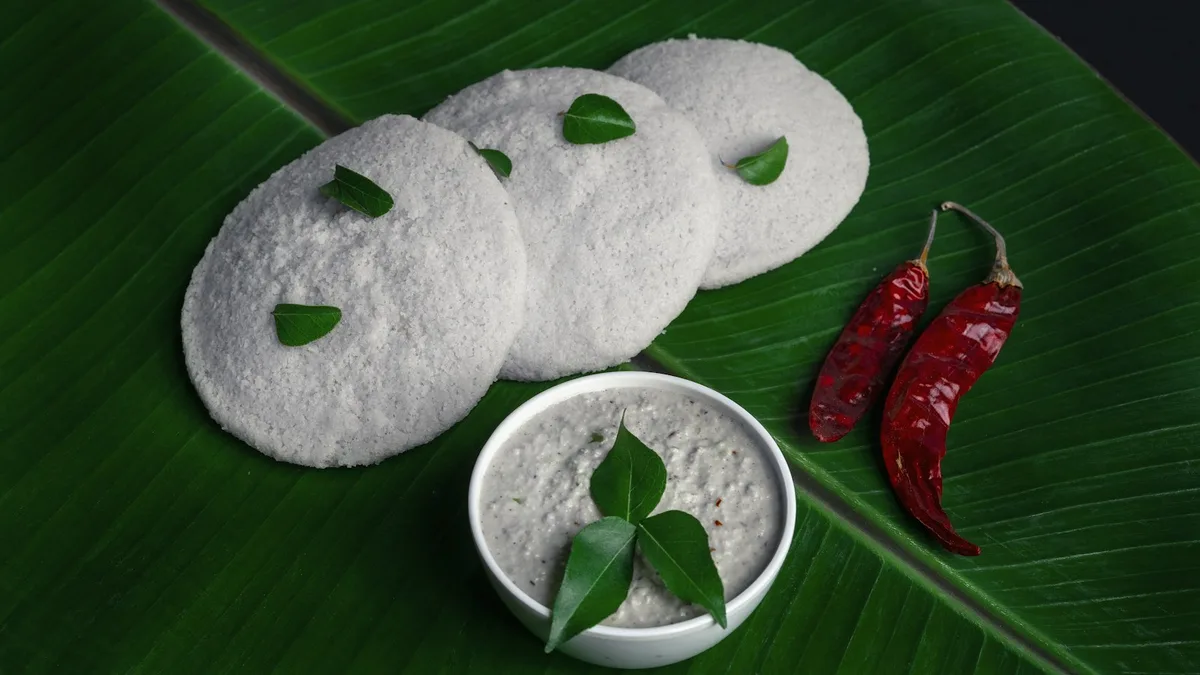
UDAIPUR: UDAIPUR — Deep within the arid expanse of Rajasthan, where scorching winds shape the landscape and water remains scarce, local communities have preserved culinary traditions that defy harsh climates. At the heart of this heritage lies ker sangri and panchkuta, an extraordinary 5-ingredient dish composed of wild-foraged berries, pods, and dried forest produce. As food historians and modern nutritionists alike turn their attention toward indigenous superfoods in November 2026, this ancient preparation stands out not only for its remarkable shelf-life but also for its profound nutritional density and unique place of honor across Mewari wedding feasts and festive thalis.
⚡ Quick Highlights: Ker Sangri & Panchkuta: Ancient Desert Superfood Guide 2026
The story of ker sangri and panchkuta is inextricably linked to the survival strategies of Rajasthan’s indigenous desert communities. For generations, foragers have scoured the arid scrublands of Mewar and Marwar during peak summer months to harvest wild pods and berries before monsoon rains arrive. At the center of this ecosystem stands the sacred Khejri tree (Prosopis cineraria), whose deep taproots extract moisture far below the desert crust, yielding the slender, nutrient-dense sangri beans.
Unlike modern commercial crops that demand intensive irrigation, these desert staples thrive on extreme heat and minimal moisture. Gathering them has historically been a community effort, preserving traditional ecological knowledge passed down through centuries. Candidates preparing for competitive state examinations should note related administrative updates, such as those detailed in the RSSB Computer Anudeshak Document Verification 2026 guidelines, reflecting how modern governance intersects with regional heritage preservation.
Once gathered, the raw pods and berries undergo rigorous sun-drying, transforming perishable bounty into stable rations that can endure years of storage without spoiling. This ingenious foraging cycle ensured that Mewari households never faced complete dietary collapse during historical droughts and famine years. (Also read: RSSB Computer Anudeshak Document Verification 2026: 3,038 Candidates Shortlisted, Online Scrutiny Form Schedule Released @rssb.rajasthan.gov.in).
“The Khejri tree and its wild pods are the literal lifeblood of desert cuisine, offering nourishment where nothing else can survive.” — Dr. Kishanlal Meena, Ethno-Botanist
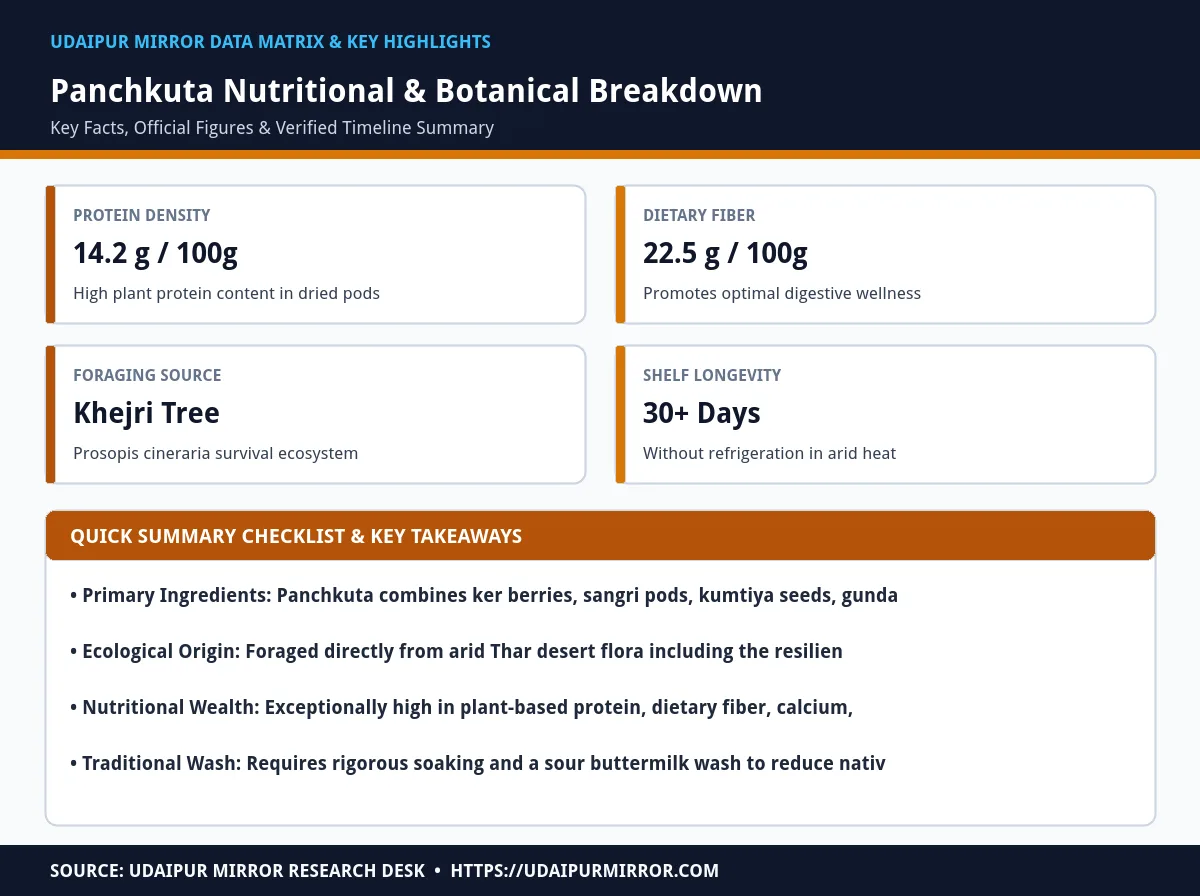
The classic Panchkuta mix relies on five specific drought-resistant components gathered from the Thar desert flora. Each element contributes unique textures, bitterness profiles, and health benefits to the final royal preparation.
| Ingredient Name | Botanical Name / Source | Plant Part Used | Primary Culinary Role | Nutritional Highlight |
|---|---|---|---|---|
| Ker | Capparis decidua | Wild Berry | Provides tangy sharpness and firmness | Rich in Vitamin C and antioxidants |
| Sangri | Prosopis cineraria | Bean Pod | Structural bulk and earthy sweetness | High dietary fiber and protein |
| Kumtiya | Acacia senegal | Round Seed | Nutty flavor and binding texture | Packed with essential minerals |
| Gunda | Cordia myxa | Clustered Fruit | Soft texture contrast | Natural mucilage for gut health |
| Dry Mango (Amchur) | Mangifera indica | Sliced Fruit | Sharp acidity balancing spice | Aromatic digestion booster |
Modern nutritional science has validated what Mewari elders knew intuitively: Panchkuta is a nutritional powerhouse. Laboratory analyses show that wild-foraged desert pods possess exceptionally high concentrations of crude protein, soluble dietary fiber, and essential micronutrients including iron, potassium, and calcium.
The high fiber content regulates blood sugar levels and promotes sustained satiety, making it an ideal dish for traditional desert lifestyles requiring immense physical endurance. Furthermore, the presence of natural plant polyphenols and antioxidants protects cellular health against oxidative stress caused by intense UV exposure in arid regions.
As community leaders and local representatives—such as those highlighted in the Kumawat Samaj Mahila Sarpanch 2026 network—champion traditional values across rural districts, the revival of such nutrient-dense heritage foods provides a powerful antidote to lifestyle disorders associated with processed modern diets.
“Panchkuta is a functional food long before the term was coined, combining balanced proteins, minerals, and healing fiber in every bite.” — Sunita Rathore, Clinical Nutritionist
Preparing authentic Panchkuta is a meticulous culinary ritual that cannot be rushed. Because dried ker berries and kumtiya seeds possess a naturally sharp, astringent bitterness, they must undergo a multi-stage rehydration and leaching process before cooking can begin.
The dried mixture is first soaked in clean water overnight, followed by a traditional sour buttermilk (chaas) wash or boiling phase. This crucial step neutralizes bitter tannins while infusing a subtle lactic tang into the pods. Once softened, the ingredients are drained and transferred to a heavy-bottomed iron kadhai.
The tempering process defines the dish’s robust character. Generous quantities of pungent mustard oil are heated until smoking point, crackling with cumin seeds, asafoetida (heing), whole red mathania chilies, turmeric, and dry mango powder (amchur). Slow-cooking the rehydrated pods in this spiced oil blend allows the flavors to penetrate deeply, creating a rich, oil-kissed delicacy. (Also read: भाणा की माटी का सपूत: कैलाश कुमावत के जनसेवा के तप से मातुश्री अंछी देवी बनीं सरपंच, राजसमंद के भाणा में रचा गया ऐतिहासिक जनादेश | Kailash Kumawat Bhana).
“The secret to great Panchkuta lies in the buttermilk wash and the patient simmering in mustard oil until the spices marry the pods.” — Chef Bhanwar Singh, Mewari Culinary Heritage Custodian
In Mewari culture, no wedding banquet, royal feast, or major festival thali is complete without a generous helping of ker sangri and panchkuta. Historically served alongside warm bajre ki roti and freshly churned butter, it symbolized hospitality, prestige, and connection to the soil.
Because the dish improves in flavor as it rests—often tasting even better on the second or third day without refrigeration—it was the ultimate dish for royal armies on the move and massive community gatherings where cooking fresh food continuously was impractical.
Today, luxury heritage hotels and boutique palaces across Udaipur feature Panchkuta as a marquee delicacy, introducing international travelers to the complex flavors of desert foraging while keeping centuries-old culinary lineages vibrantly alive.
“A Mewari wedding feast without Panchkuta is like a crown without jewels; it anchors our cultural identity on the dining table.” — Maharaj Jai Singh, Heritage Historian
Panchkuta consists of five wild desert ingredients: Ker (wild caper berries), Sangri (pods of the Khejri tree), Kumtiya (round desert seeds), Gunda (cordia fruit), and Dry Mango slices (amchur).
Dried ker berries and kumtiya seeds contain natural tannins that impart a strong bitter taste. Soaking them in sour buttermilk (chaas) helps leach out the bitterness while softening the tough fibers.
Panchkuta is exceptionally rich in plant protein, dietary fiber, calcium, and iron. Its high nutritional density and ability to last for weeks without refrigeration made it vital for survival in arid climates.
It is traditionally served hot with freshly baked pearl millet flatbreads (bajre ki roti), garlic chutney, and a dollop of fresh home-churned butter or ghee.
Add Udaipur Mirror as a preferred source on Google to see more of our travel guides in your AI overviews.