Office Address
14, Residency Road, Udaipur, Rajasthan 313001
Office Address
14, Residency Road, Udaipur, Rajasthan 313001


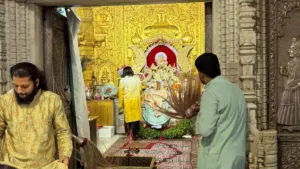
UDAIPUR: Nestled amidst the rugged terrain of southern Rajasthan, rishabhdeo kesariyaji tirth 2026 stands as a supreme beacon of syncretic spiritual heritage, drawing thousands of pilgrims, historians, and travelers daily. Located in the town of Dhulev, precisely 65 kilometers south of Udaipur along the National Highway 48 (NH-48), this magnificent shrine bridges centuries of religious traditions. Famous for its miraculous black marble idol of Lord Rishabhdev—the first Jain Tirthankara—the temple commands immense reverence not only from the Jain community but equally from the indigenous Bhil tribal population of Mewar. As visitors plan their spiritual journeys this season, understanding the strict ritual protocols, daily timetable, and historical significance ensures an enriching, respectful pilgrimage.
⚡ Quick Highlights: Rishabhdeo Kesariyaji Tirth 2026: Timings, History & Kesar Rules
The historical fabric of Rishabhdeo Kesariyaji Tirth stretches back well over eleven centuries, making it one of the most venerable architectural and spiritual landmarks in the Mewar region. Archaeological inscriptions and historical texts indicate that the temple has undergone numerous restorations under various royal dynasties, yet its core spiritual sanctity remains entirely unblemished. Central to this enduring devotion is the magnificent black marble idol of Lord Rishabhdev, which radiates a serene, otherworldly aura. The smooth, dark stone absorbs the ambient light of oil lamps, creating a meditative focal point that has transfixed saints, kings, and commoners for generations.
Historically, the temple has stood as an architectural marvel of Western India, showcasing intricate marble carvings, exquisitely sculpted pillars, and ornate domes that reflect the classical Mewari style. Over the centuries, financial planning for major restoration projects and community welfare was often integrated with regional economic growth, much like how modern families balance long-term savings through options such as Nifty 50 vs Nifty Next 50 Index Funds 2026 to secure stability. The shrine’s survival through turbulent historical epochs testifies to the unwavering faith of local merchant guilds and tribal chieftains who protected the sacred precinct at all costs.
“The black marble idol at Dhulev is not merely a sculpture of stone; it is a living reservoir of spiritual energy that has unified disparate communities across Mewar for over a thousand years.” — Acharya Shantibhushan Suriji, Heritage Historian

To ensure a seamless spiritual experience at the shrine, visitors should align their arrival with the official temple timetable. Below is the comprehensive daily schedule covering morning rituals, afternoon rest periods, evening prayers, and trust-run amenities.
| Ritual / Facility Name | Exact Timing (IST) | Primary Description & Significance | Visitor Guidelines |
|---|---|---|---|
| Temple Doors Open | 05:30 AM | Initial opening of sanctum sanctorum for early morning pilgrims. | Maintain silence and queue discipline. |
| Prabhat Prakshal | 06:00 AM – 07:30 AM | Sacred ritual bathing and cleaning of the black marble idol. | General public viewing allowed from designated barriers. |
| Mangla Aarti | 07:45 AM | First major congregational prayer of the day with chanting. | Traditional attire recommended for participants. |
| Afternoon Rest (Paat Band) | 01:30 PM – 03:30 PM | Sanctum doors closed temporarily for deity rest and maintenance. | Plan sightseeing or lunch during this window. |
| Sandhya Aarti & Darshan | 07:00 PM | Evening lamp lighting ceremony accompanied by devotional bhajans. | High footfall; arrive 20 minutes prior. |
| Bhojanshala Hours | 11:30 AM – 02:30 PM | Hygienic, traditional Jain-style vegetarian meals at nominal rates. | Purchase coupons at the trust counter beforehand. |
| Dharamsala Check-in | 08:00 AM – 08:00 PM | Affordable pilgrim rooms and dormitories provided by the trust. | Carry valid government photo ID for registration. |
One of the most fascinating sociological aspects of Rishabhdeo Kesariyaji Tirth is its unique syncretic worship model. While Jains worship the presiding deity as Bhagwan Rishabhdev (Adinath), the first Tirthankara, the indigenous Bhil tribes of southern Rajasthan and northern Gujarat revere the exact same idol as ‘Kalaji’ or ‘Kesariyaji’. This harmonious overlapping of religious identities is a shining testament to India’s pluralistic cultural fabric. Bhils traditionally travel on foot from remote forest hamlets, playing traditional instruments and singing devotional folk hymns as they approach the holy gates.
This deep-rooted cultural harmony reminds visitors of how traditional safety nets and community support systems evolve across generations—echoing modern welfare provisions like the Rajasthan Palanhar Yojana 2026, which ensures financial assistance and care for vulnerable children. At Kesariyaji, the deity acts as a supreme guardian figure who listens to the prayers of all devotees regardless of their socio-economic or religious background, dissolving barriers and fostering collective social peace.
“Here, faith knows no rigid boundaries. The tribal devotee singing folk songs in the courtyard and the Jain monk chanting mantras in the sanctum share an identical spiritual bond with Kesariyaji.” — Dr. Mangilal Purohit, Anthropologist of Mewar Culture
The epithet ‘Kesariyaji’ originates from the distinct ritual of anointing the black marble idol with liquid saffron (kesar). Performing this sacred puja requires strict adherence to traditional guidelines established by the temple trust. Pilgrims wishing to offer kesar must purchase certified, pure saffron from authorized temple counters inside the complex. Adulterated or outside chemical powders are strictly prohibited to protect the delicate antique polish and chemical composition of the 1,100-year-old marble surface.
Before entering the inner sanctum for Kesar Puja, devotees must observe absolute personal cleanliness, including bathing and wearing traditional unstitched or clean cotton garments (such as dhotis or cotton kurtas/sarees for women). Leather items, belts, wallets, and mobile phones are strictly barred beyond the main entrance gates. During the offering, priests assist devotees in gently dissolving the saffron in purified Gangajal or rose water before applying it with utmost reverence to the feet and designated parts of the idol. (Also read: Rajasthan Palanhar Yojana 2026: Monthly Financial Assistance for Children, Eligibility & Online Form).
“Saffron is not just an offering here; it is an expression of absolute surrender. Every rule governing Kesar Puja is designed to preserve the divine purity of our sacred heritage.” — Trust Board Administrator, Kesariyaji Tirth Trust
Traveling to Rishabhdeo Kesariyaji Tirth has become increasingly seamless, thanks to well-developed infrastructure along the Udaipur-Ahmedabad NH-48 corridor. For overnight pilgrims, the temple trust manages expansive dharamsalas offering dozens of clean, airy rooms and dormitory spaces at nominal administrative donations. Advance booking is recommended during major Jain festivals like Rishabhdev Jayanti and Kartik Poornima, when thousands converge on Dhulev.
For dietary needs, the trust-operated Bhojanshala serves freshly prepared, hygienic, sattvic vegetarian meals daily from 11:30 AM to 02:30 PM. Prepared using pure ghee and locally sourced organic ingredients, meals are provided at highly subsidized rates. Visitors traveling by road from Udaipur can hire private taxis, board regular state transport buses, or drive down via Debari and Kherwara, enjoying scenic vistas akin to a refreshing weekend road trip similar to exploring the nearby hills.
“The trust ensures that every pilgrim—whether arriving from a luxury vehicle or walking miles on foot—finds comfortable shelter and nourishing food without any discrimination.” — Shri Kesariyaji Trust Management Committee
Rishabhdeo Kesariyaji Tirth is located in Dhulev town, exactly 65 kilometers south of Udaipur city. It takes approximately 1 hour and 15 minutes to reach via the well-paved National Highway 48 (NH-48) by car, taxi, or state transport bus.
The deity is called Kesariyaji because devotees traditionally anoint the 1,100-year-old black marble idol with liquid saffron (kesar). Kesar Puja must be performed using certified pure saffron purchased from official temple counters, under the supervision of authorized priests, while wearing clean traditional attire and observing strict ritual purity.
Yes, the temple trust operates well-maintained dharamsalas offering affordable rooms and dormitories for pilgrims. Additionally, a clean sattvic bhojanshala serves wholesome vegetarian meals daily at nominal subsidized rates.
The temple doors open daily at 05:30 AM. Prabhat Prakshal takes place from 06:00 AM to 07:30 AM, followed by Mangla Aarti at 07:45 AM. Afternoon rest is observed from 01:30 PM to 03:30 PM, and Sandhya Aarti takes place at 07:00 PM.
Add Udaipur Mirror as a preferred source on Google to see more of our travel guides in your AI overviews.





[…] Ji Temple Garhbor Guide 2026: Darshan Timings, History & Jaljhulani Fair 5 seconds ago ⚡ Articles Rishabhdeo Kesariyaji Tirth 2026: Black Marble Idol, Daily Aarti Timings & Saffron Puj… Articles Nifty 50 vs Nifty Next 50 Index Funds 2026: Risk, Returns, Expense Ratio & Best SIP […]